
- Empty cart.
- Continue Shopping
Ivermectin and Fenbendazole: Complete Guide (Uses, Benefits, Safety & Key Facts)
- Posted on
Ivermectin Uk
- 0
- Categories: Blog
Introduction
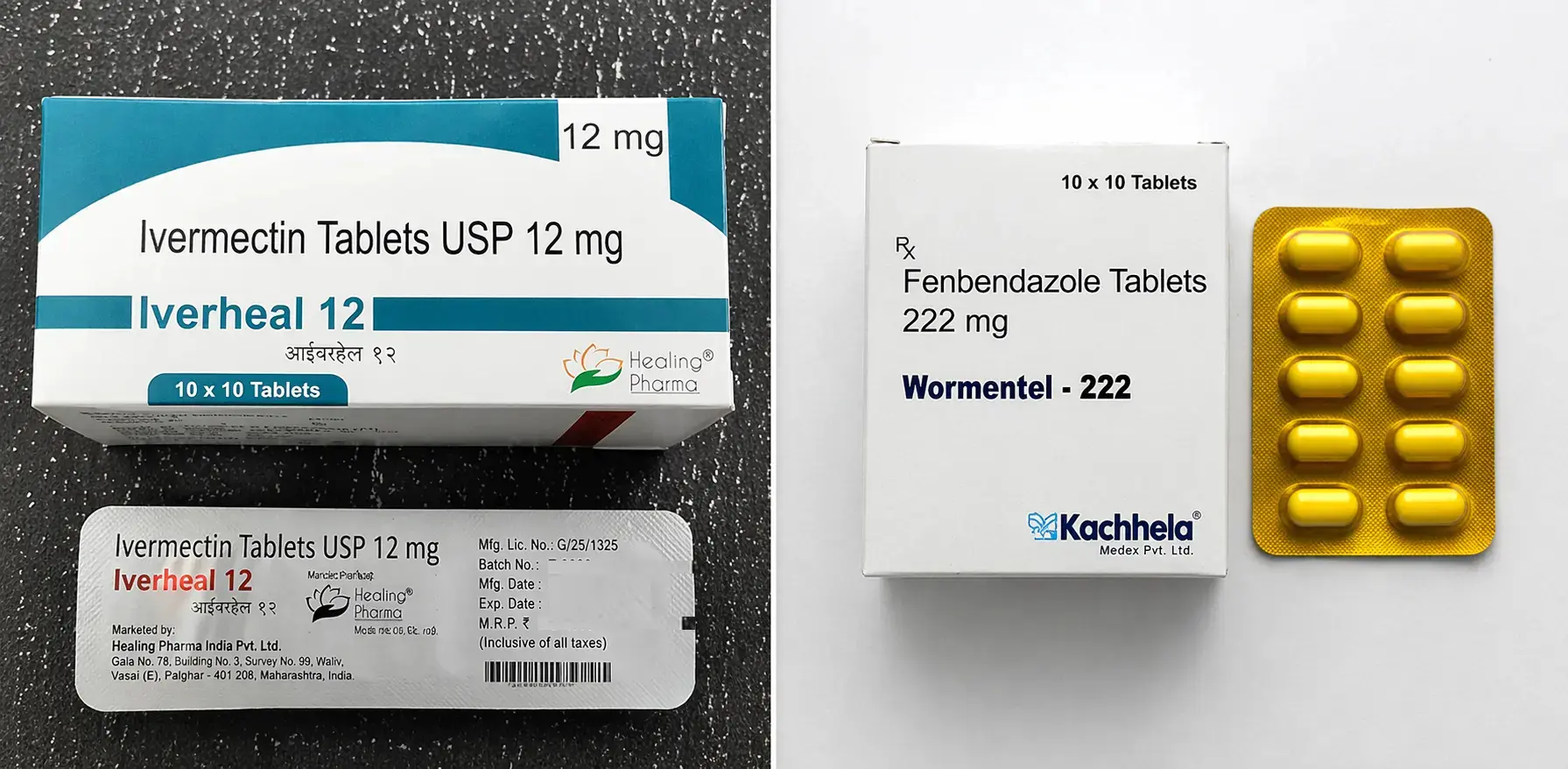
Antiparasitic medications play a crucial role in both human and veterinary medicine. Among the most discussed are Ivermectin and Fenbendazole. While both are widely used to treat parasitic infections, they differ significantly in their approved uses, mechanisms, and safety profiles.
In recent years, these drugs have gained online attention beyond their traditional roles, making it even more important to understand accurate, evidence-based information. This comprehensive guide covers everything you need to know about ivermectin and fenbendazole, including how they work, medical uses, differences, safety considerations, and common misconceptions.
What is Ivermectin?
Ivermectin is a broad-spectrum antiparasitic medication discovered in the late 20th century. It revolutionized the treatment of several parasitic diseases and is considered one of the most important drugs in global health.
Approved Uses in Humans
Ivermectin is approved for treating:
- Onchocerciasis (river blindness)
- Strongyloidiasis (intestinal infection)
- Scabies and lice infestations
- Certain other parasitic worm infections
It is included on the World Health Organization’s list of essential medicines due to its effectiveness and safety when used correctly.
Veterinary Uses
In animals, ivermectin is used to treat:
- Heartworms
- Mange
- Gastrointestinal parasites
How Ivermectin Works
Ivermectin targets the nervous system of parasites. It binds to specific channels (glutamate-gated chloride channels), causing:
- Paralysis of the parasite
- Eventual death
Importantly, these channels are not present in humans in the same way, which is why ivermectin is generally safe when prescribed properly.
Forms and Dosage
Ivermectin is available in:
- Oral tablets
- Topical creams and lotions
- Veterinary injections (not for human use)
Dosage depends on:
- Body weight
- Type of infection
- Medical supervision
Self-dosing without guidance is not recommended.
What is Fenbendazole?
Fenbendazole belongs to the benzimidazole class of antiparasitic drugs. It is widely used in veterinary medicine and is highly effective against intestinal parasites in animals.
Common Veterinary Uses
Fenbendazole is used to treat:
- Roundworms
- Hookworms
- Whipworms
- Certain tapeworms
- Lungworms (in some species)
It is commonly administered to:
- Dogs
- Cats
- Horses
- Livestock
How Fenbendazole Works
Fenbendazole works differently from ivermectin. It:
- Disrupts microtubule formation in parasite cells
- Prevents glucose absorption
- Starves the parasite of energy
This leads to the gradual death of the parasite.
Forms and Administration
Fenbendazole is typically available as:
- Oral suspensions
- Powders
- Granules
It is usually mixed with animal food, making it easy to administer in veterinary settings.
Ivermectin vs Fenbendazole: Detailed Comparison
| Feature | Ivermectin | Fenbendazole |
|---|---|---|
| Drug Class | Macrocyclic lactone | Benzimidazole |
| Primary Use | Human & veterinary | Veterinary |
| Mechanism | Affects parasite nervous system | Blocks energy metabolism |
| Human Approval | Yes | No |
| Parasites Targeted | External & internal | Mostly intestinal worms |
| Availability | Tablets, creams | Powders, suspensions |
| Safety in Humans | Established (when prescribed) | Not established |
Can Ivermectin and Fenbendazole Be Used Together?
There is growing online discussion about combining Ivermectin and Fenbendazole, especially for off-label uses.
What Science Says
- There is no strong clinical evidence supporting combined use in humans
- No major health authority recommends this combination
- Safety data for combined use is lacking
Risks of Combining
- Unknown drug interactions
- Potential toxicity
- Incorrect dosing risks
Always consult a healthcare professional before considering any treatment.
Fenbendazole for Cancer: The Controversy
One of the most widely discussed topics online is the use of fenbendazole for cancer treatment.
Current Evidence
- Laboratory studies have shown potential anti-cancer effects in cells and animals
- However, human clinical trials are lacking
- No regulatory authority has approved fenbendazole for cancer treatment
Important Clarification
Using Fenbendazole for cancer in humans is:
- Experimental
- Unproven
- Potentially unsafe
Patients should rely on evidence-based cancer treatments prescribed by oncologists.
Ivermectin in Emerging Research
Ivermectin has also been studied for potential uses beyond parasitic infections.
Areas of Research
- Antiviral activity (laboratory studies)
- Anti-inflammatory effects
- Possible anti-cancer properties
Reality Check
- Most findings are preliminary
- Clinical evidence in humans is limited
- It should not be used outside approved indications without medical supervision
Safety and Side Effects
Ivermectin Side Effects
Common:
- Dizziness
- Nausea
- Diarrhea
Rare but serious:
- Low blood pressure
- Neurological effects (in overdose cases)
Fenbendazole Safety
In animals, fenbendazole is generally well tolerated. However:
- Human safety is not established
- Possible risks include liver toxicity and allergic reactions
Why Veterinary Drugs Should Not Be Used in Humans
A critical concern is the misuse of veterinary medications like Fenbendazole in humans.
Key Reasons
- Different dosage standards
- Different formulations
- Lack of human safety testing
- Risk of contamination or impurities
Using veterinary drugs for human treatment can lead to serious health risks.
Regulatory Status
Ivermectin
- Approved for human use in many countries
- Prescription required in most regions
- Included in global health programs
Fenbendazole
- Approved only for veterinary use
- Not regulated for human consumption
- Sold as animal medication
Common Myths and Misconceptions
Myth 1: Ivermectin is a cure-all drug
Reality: It is effective only for specific parasitic infections.
Myth 2: Fenbendazole can cure cancer
Reality: No clinical evidence supports this claim in humans.
Myth 3: Combining both drugs increases effectiveness
Reality: No scientific proof supports combined use in humans.
Proper Usage Guidelines
For Ivermectin
- Use only when prescribed
- Follow exact dosage instructions
- Avoid self-medication
For Fenbendazole
- Use only for animals under veterinary guidance
- Do not use for human treatment
When to Consult a Doctor
Seek medical advice if you:
- Suspect a parasitic infection
- Experience unusual symptoms after medication
- Are considering off-label treatments
Conclusion
Ivermectin and Fenbendazole are powerful antiparasitic drugs, but they serve very different purposes. Ivermectin is a well-established medication for human use, while fenbendazole remains a veterinary drug with no approved role in human treatment.
Despite growing online interest in their combined or alternative uses, especially for conditions like cancer, current scientific evidence does not support these claims. Safety should always come first, and any medication should be used under proper medical supervision.
